

The Top 5 Cities to Live in the DFW Metroplex in 2026
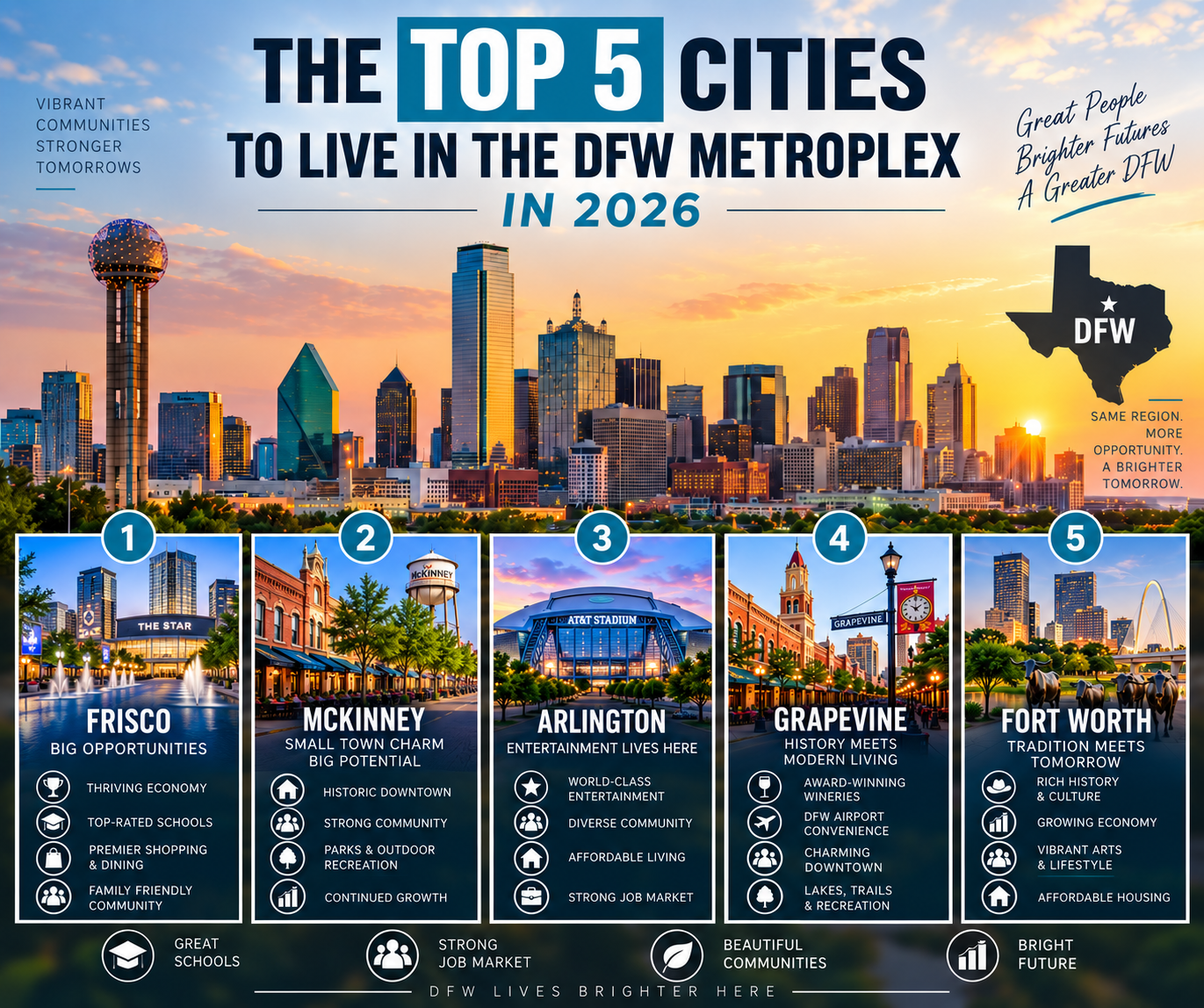
The Top 5 Cities to Live in the DFW Metroplex in 2026
One of the questions I hear all the time from people moving to North Texas is:
"What are the best cities to live in DFW?"
That's not an easy question to answer because the Dallas-Fort Worth Metroplex is enormous—and what makes a city "great" depends on what you're looking for.
Are you looking for newer construction?
A central location?
Employment opportunities?
Entertainment?
A more established community?
Walkability?
A historic downtown?
Or are you trying to balance location, lifestyle, housing, amenities, and long-term potential?
For this 2026 list, I'm not simply looking at which cities are growing the fastest. I'm considering the overall package for someone deciding where they want to call home.
And there's plenty of evidence that North Texas remains a major growth story. The latest Census estimates show Fort Worth added more than 19,500 residents from 2024 to 2025, while McKinney added more than 8,500. Celina, Princeton, Melissa and Anna were also among America's fastest-growing cities by percentage.
So if I were helping someone explore DFW in 2026, these would be five cities I would absolutely want them to know about.
1. Frisco
Best for: Growth + Amenities + Employment + Newer Communities
It's difficult to talk about desirable places to live in DFW without talking about Frisco.
Frisco has transformed from a smaller North Texas suburb into one of the Metroplex's most recognizable cities.
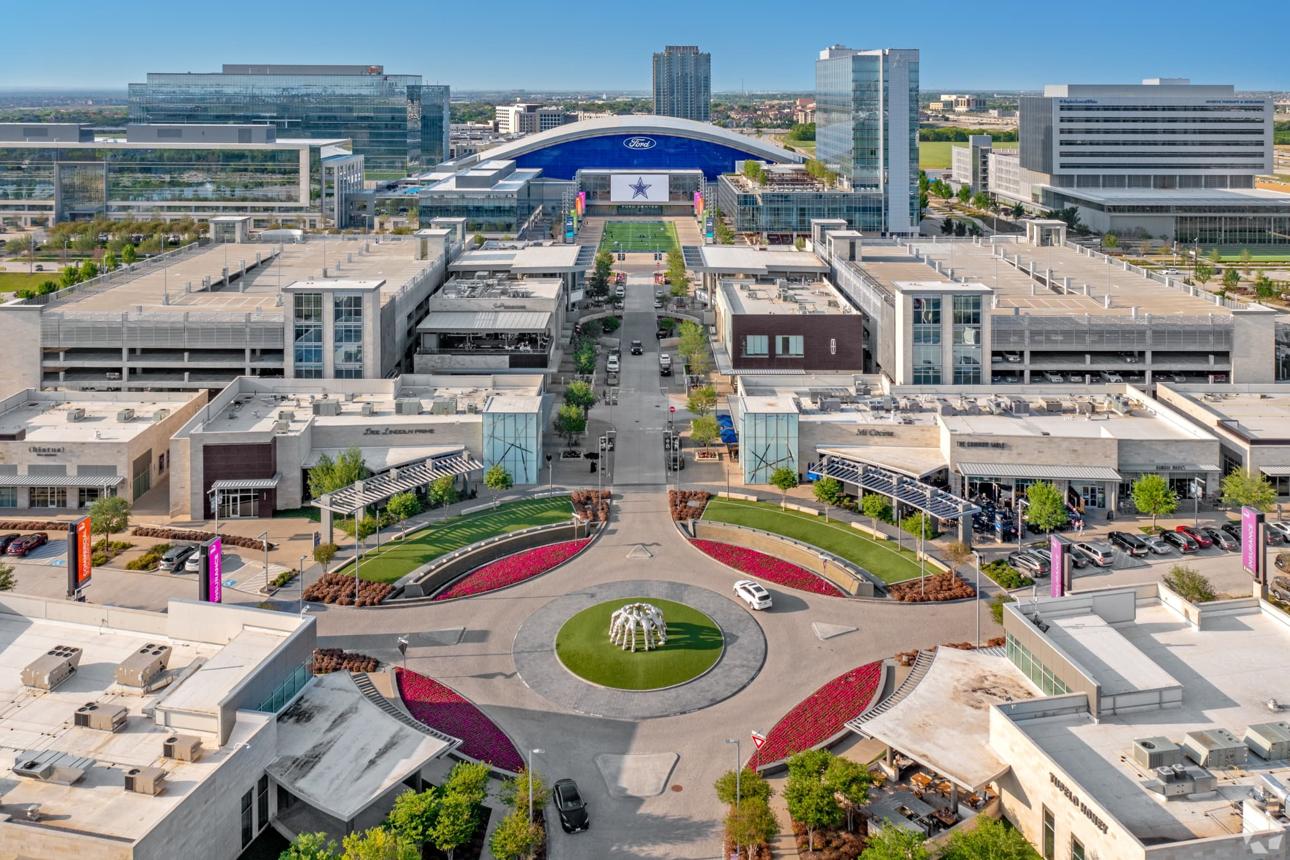
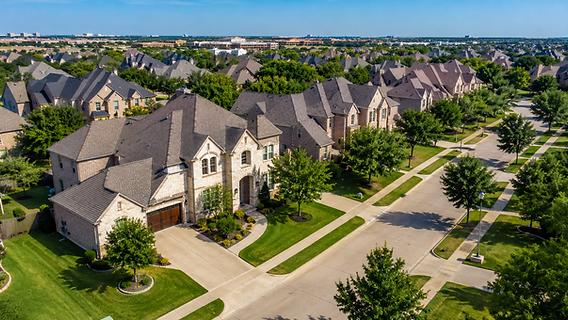
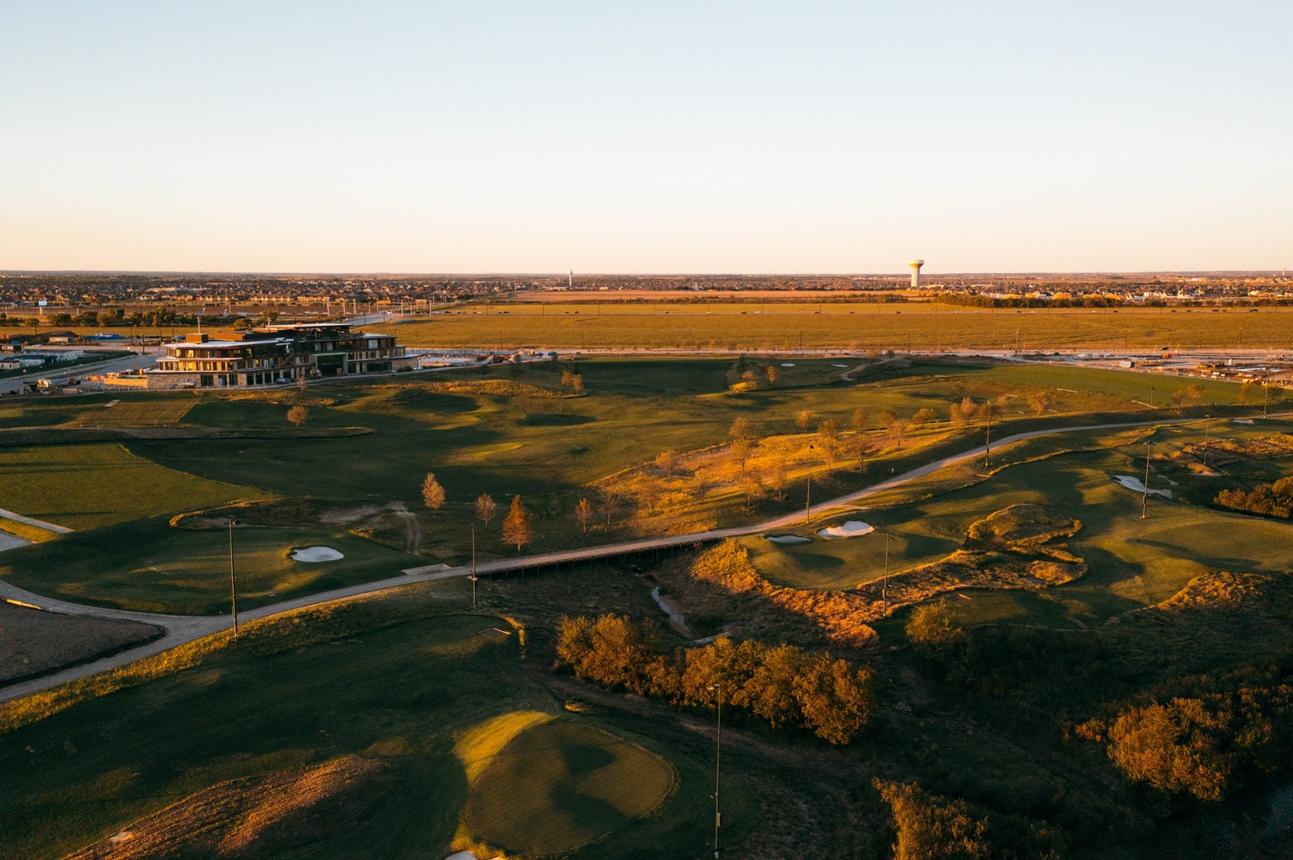
One reason is the combination of residential growth and major economic development.
Frisco offers access to newer master-planned communities, shopping, restaurants, corporate employment, entertainment and an enormous sports presence.
You've got The Star in Frisco, the Dallas Cowboys' headquarters and practice facility, along with Toyota Stadium and the continued development surrounding PGA Frisco.
And Frisco continues to receive national attention from a real estate perspective. A 2026 WalletHub ranking placed Frisco #1 among U.S. real estate markets, based on factors including housing-market conditions and economic environment.
The Trade-Off
Frisco's popularity comes with a price.
Housing tends to be more expensive than many other parts of DFW. Recent 2026 market data puts Frisco's median home sale price in the upper-$600,000 range.
And if you frequently travel to Fort Worth or other western portions of DFW, location becomes something you'll want to consider carefully.
Why Frisco Makes My Top 5
For buyers who want newer development, amenities, employment opportunities and continued growth, Frisco deserves to be near the top of the list.
2. McKinney
Best for: Community Feel + Growth + Historic Character
McKinney gives you something interesting.
You get the growth and amenities associated with North Dallas while maintaining a community identity that feels different from many newer suburbs.
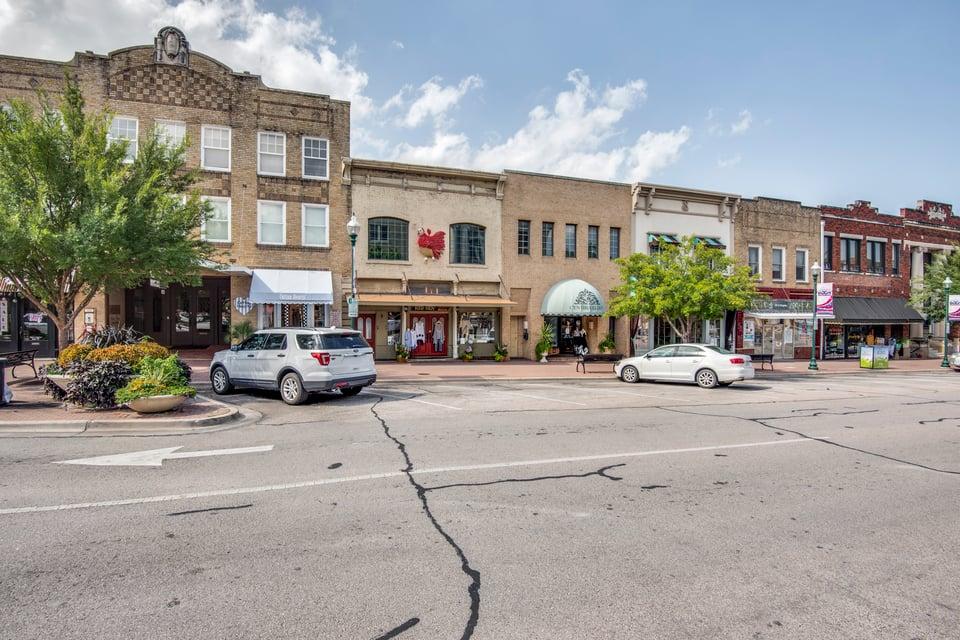
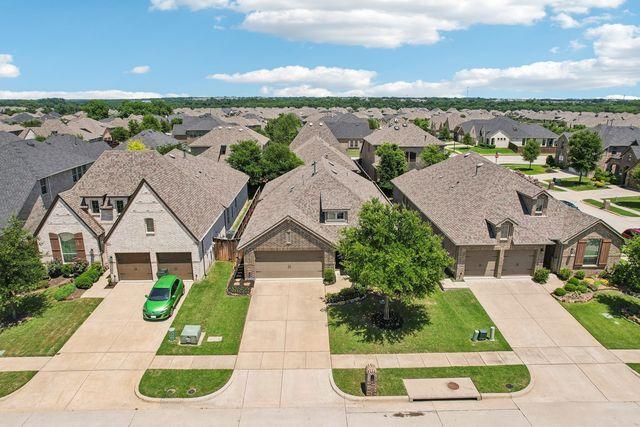
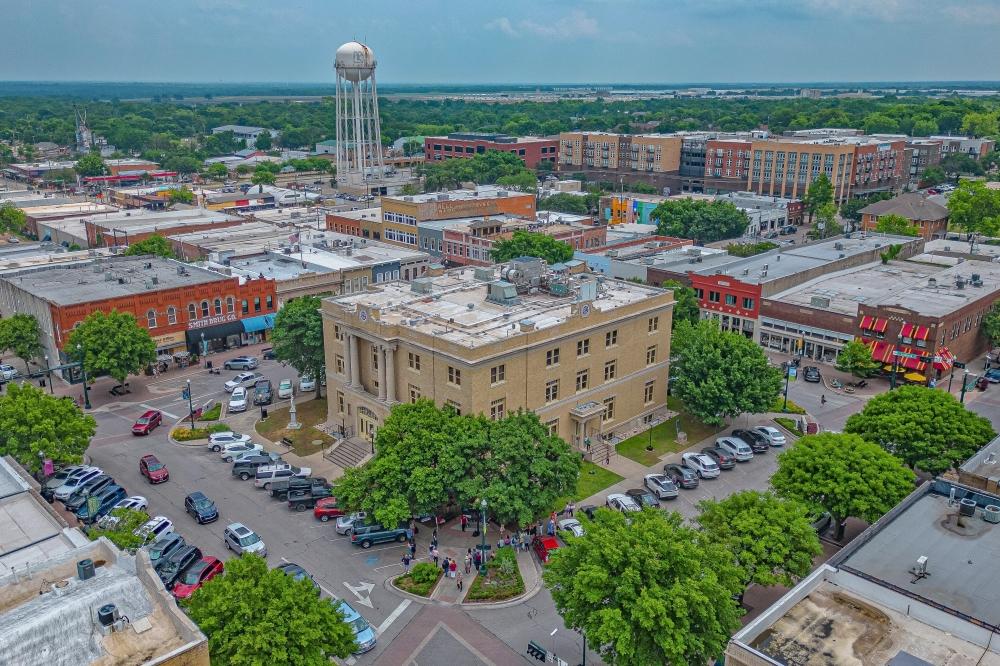
A great example is Historic Downtown McKinney, where you have locally owned restaurants, shops, events and historic architecture.
That creates a completely different experience from a city built entirely around newer suburban development.
At the same time, McKinney continues to grow.
The latest Census estimates put McKinney at roughly 236,000 residents in 2025, after adding approximately 8,500 residents in just one year.
And like Frisco, McKinney scored extremely well in that recent national real estate-market study—ranking #2 in the country.
The Trade-Off
Location.
If your job or lifestyle requires you to frequently travel toward Fort Worth, Arlington or other parts of central/western DFW, you need to understand what that commute could look like.
Why McKinney Makes My Top 5
It gives buyers an appealing combination of:
Growth + Housing Options + Amenities + Historic Character + Community Identity.
3. Arlington
Best for: Central DFW Location + Entertainment + Accessibility
This is where my list looks a little different from some of the typical "best suburbs" lists.
I think Arlington is one of the most strategically located cities in the entire Metroplex.
Why?
Look at the map.
Dallas is east.
Fort Worth is west.
DFW Airport is north.
And you're sitting right in the middle of one of America's largest metropolitan areas.
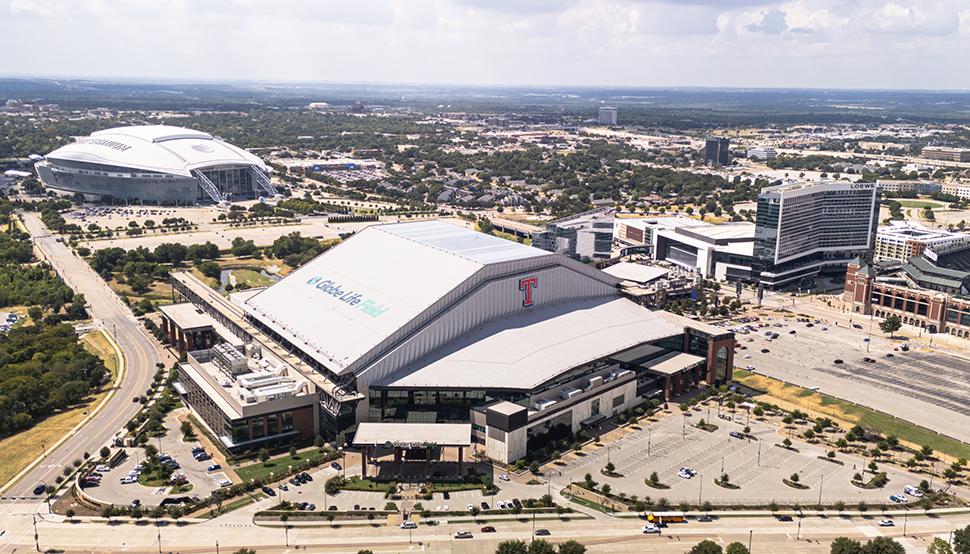
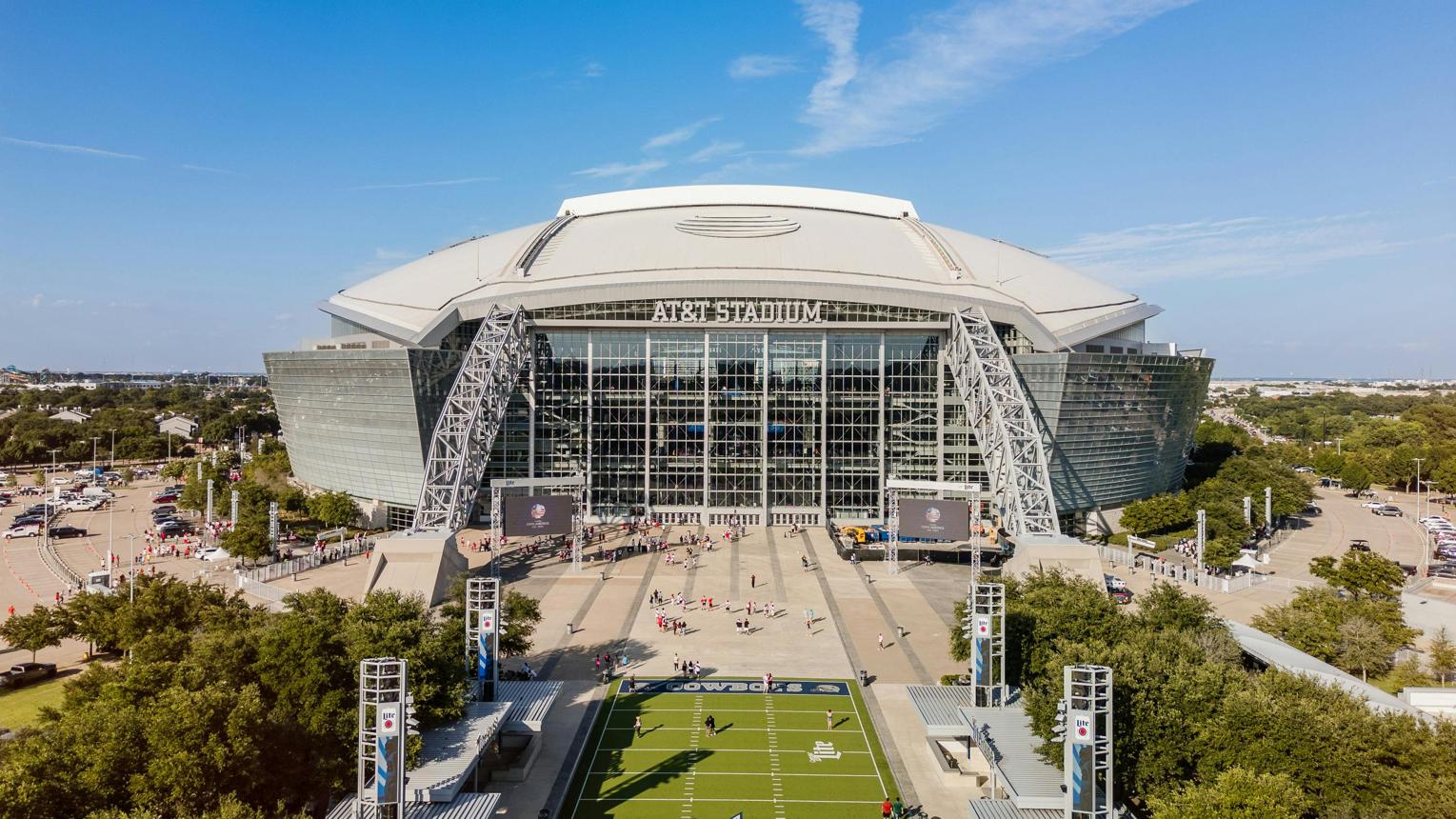
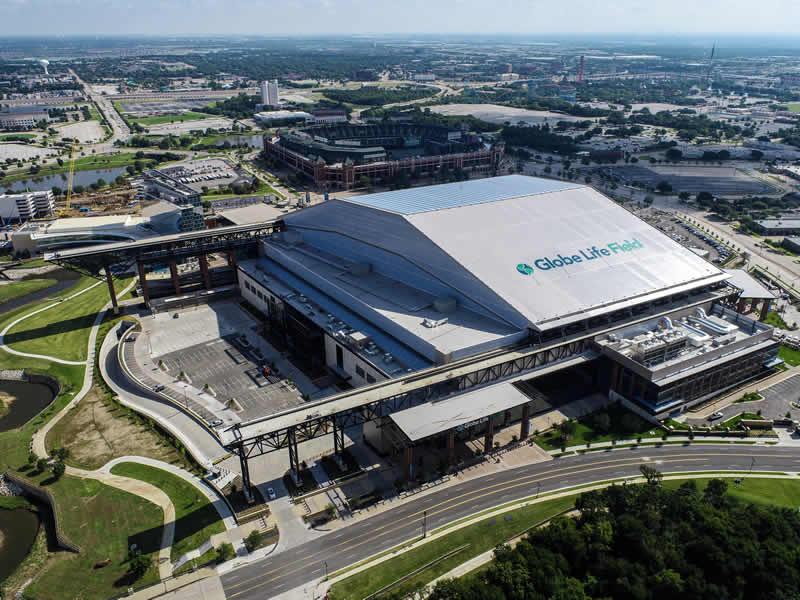
Then you add Arlington's Entertainment District.
You've got AT&T Stadium, Globe Life Field, Six Flags Over Texas and the relatively new National Medal of Honor Museum.
Arlington also offers a wide range of housing.
You can find established neighborhoods, larger properties, more affordable options compared with some northern suburbs, newer developments, and master-planned communities such as Viridian.
Current 2026 market estimates also show a substantial affordability difference compared with Frisco: one DFW market analysis put Arlington around $318,000 median versus $652,000 for Frisco.
The Trade-Off
Arlington is a large city, and different parts can feel very different from one another.
That's why it's especially important to evaluate the specific neighborhood, not simply the city name.
Why Arlington Makes My Top 5
Location.
For someone who wants the flexibility to experience both Dallas and Fort Worth while remaining close to some of DFW's biggest entertainment destinations, Arlington can be difficult to overlook.
4. Grapevine
Best for: Central Location + Character + Airport Access
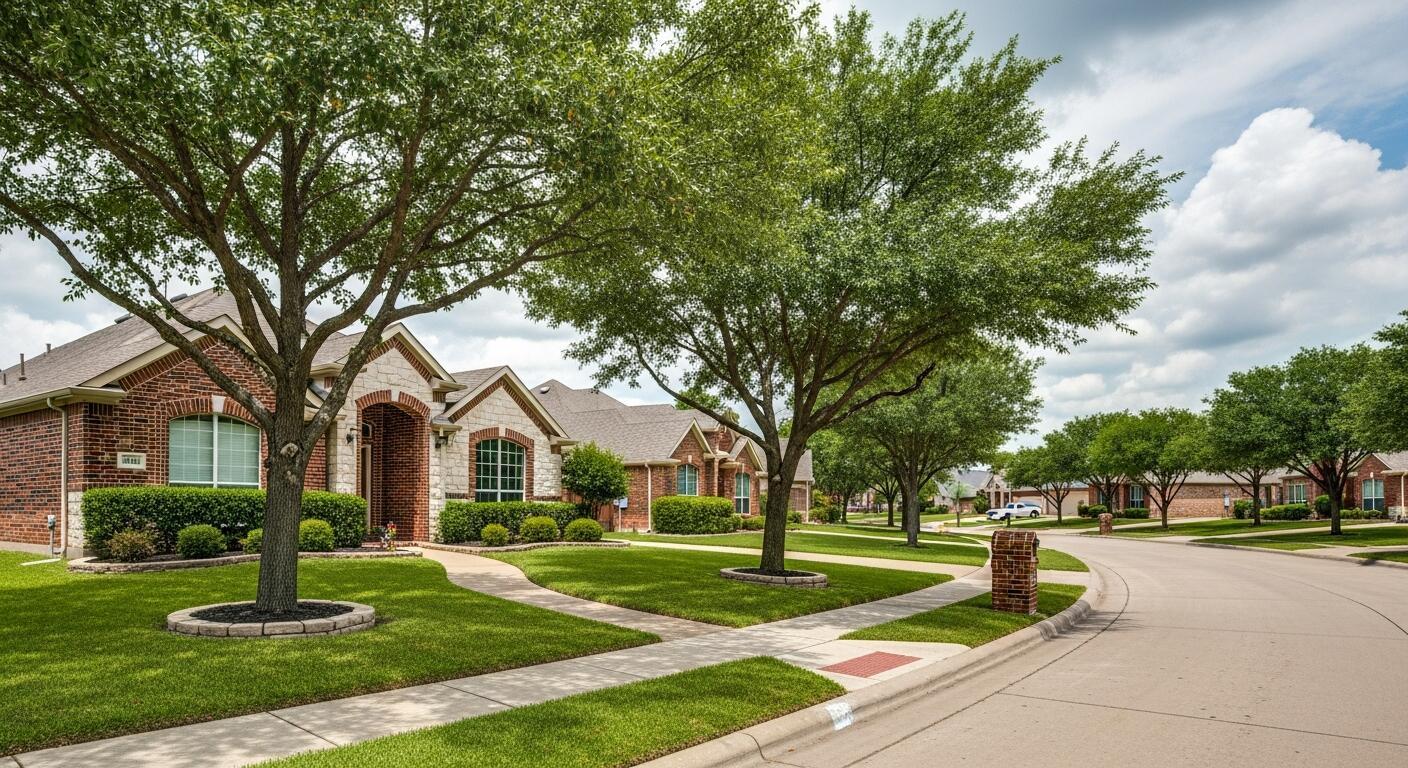
If you want a city that combines DFW convenience with a distinctive community personality, Grapevine is one of my favorites.
Grapevine has something many suburban communities don't:
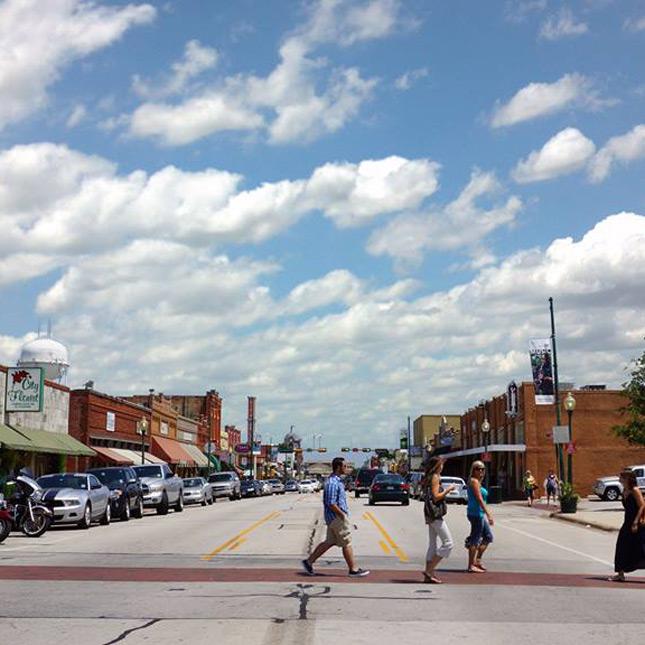
A real destination downtown.
Historic Downtown Grapevine gives residents restaurants, shops, festivals, entertainment and a walkable Main Street environment.
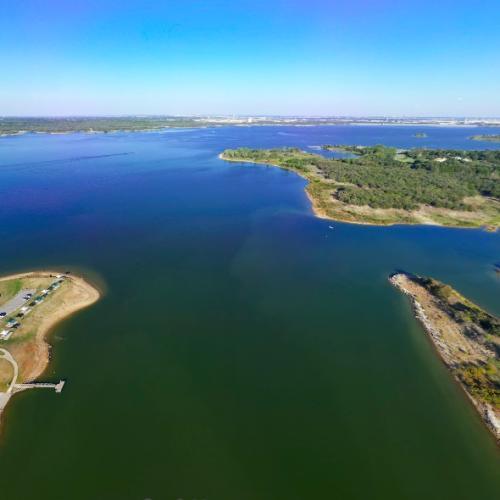
Then you add Grapevine Lake and outdoor recreation, including areas such as Oak Grove Park.
And one of Grapevine's biggest advantages is obvious when you look at a map:
DFW Airport is right next door.
That can be extremely attractive for frequent travelers, airline employees, business professionals or anyone who values being centrally positioned between Dallas and Fort Worth.
Housing demand has remained strong as well. Redfin characterized Grapevine's mid-2026 market as very competitive, with homes selling in roughly 24 days during the measured period.
The Trade-Off
Grapevine isn't inexpensive, and housing inventory can be more limited than in much larger or rapidly expanding cities.
Why Grapevine Makes My Top 5
It's the combination of:
Location + DFW Airport + Grapevine Lake + Historic Downtown + Established Community.
There's a lot packed into one relatively small city.
5. Fort Worth
Best for: Big-City Amenities + Texas Character + Growth
Yes, I'm putting Fort Worth itself on the list.
And there's a very good reason.
Fort Worth is growing.
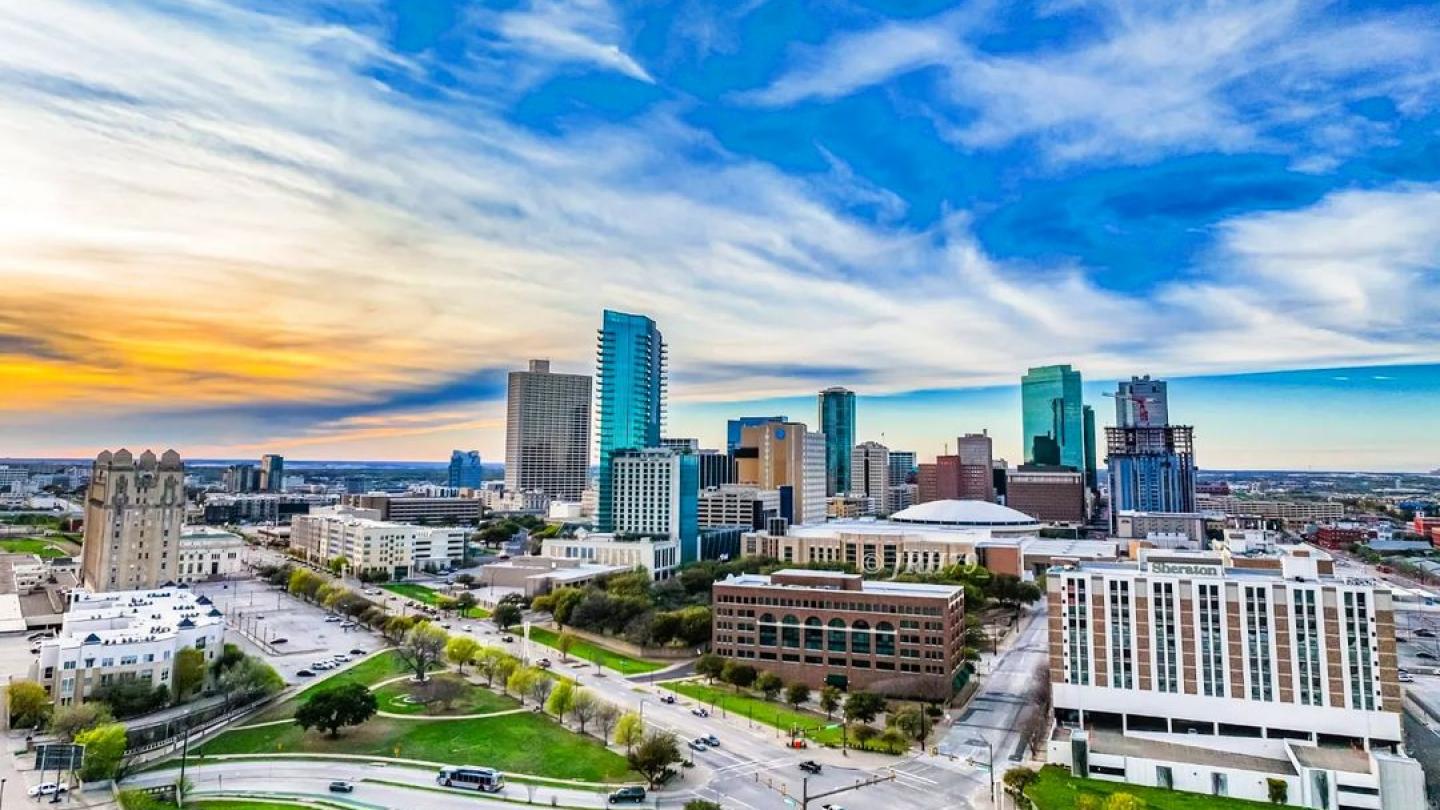
The U.S. Census Bureau estimated Fort Worth's population at more than 1.02 million in 2025, after the city added approximately 19,500 residents in one year—the second-largest numerical increase of any U.S. city in that Census release.
But growth isn't the only reason I like Fort Worth.
Fort Worth offers something very different from Dallas.
You have downtown.
Cultural districts.
Restaurants.
Major employers.
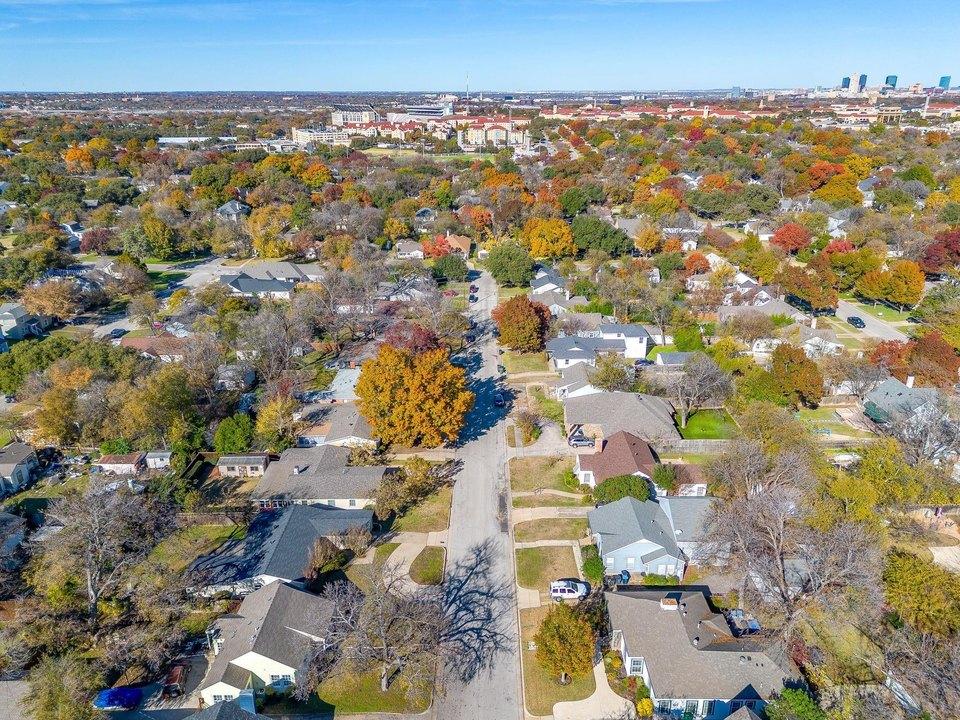
Established neighborhoods.
Newer suburban development.
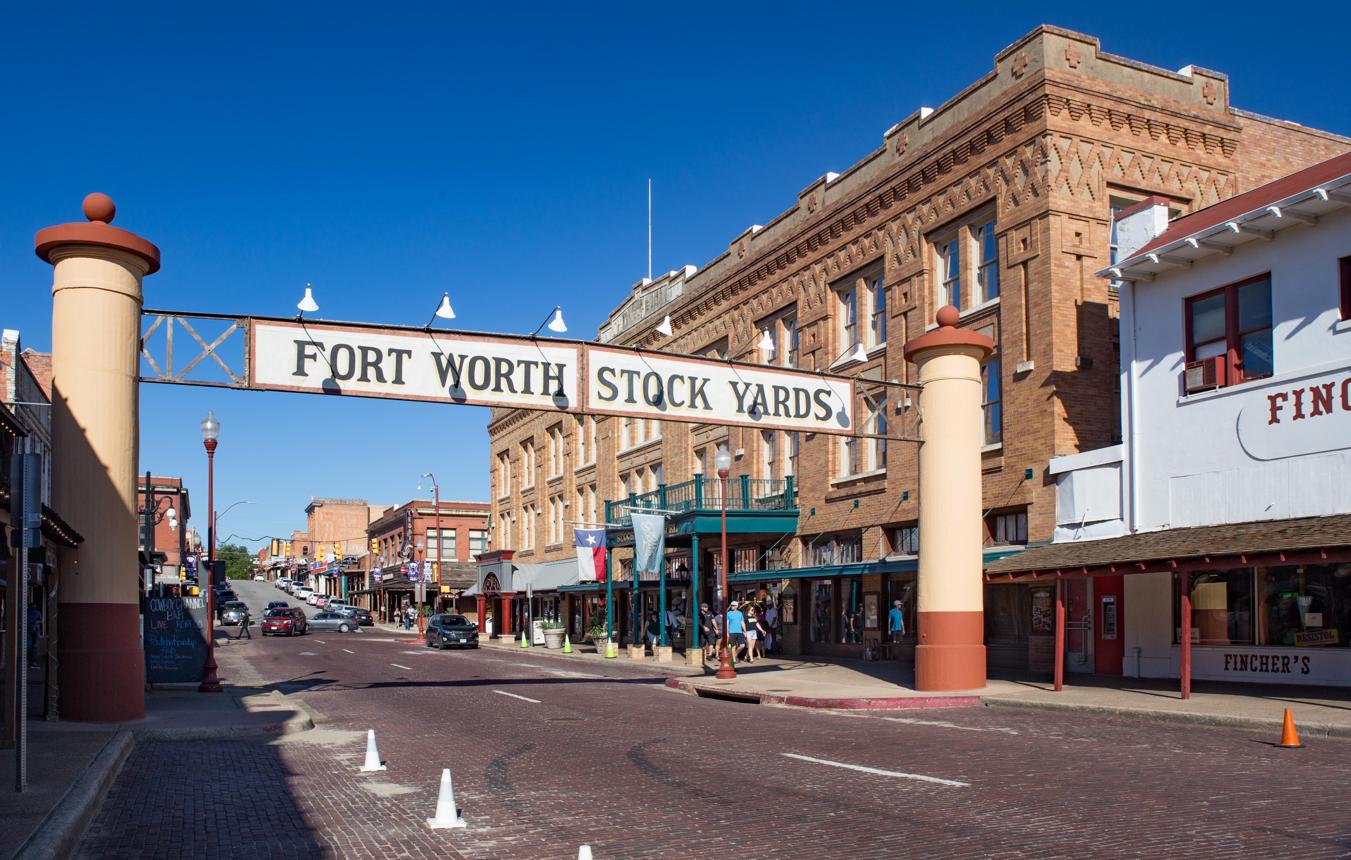
And, of course, Fort Worth Stockyards and the city's Western identity.
You can live in a major city while still experiencing something that feels distinctly Texas.
Housing can also remain more approachable than some of DFW's premium northern suburbs. One 2026 market analysis put Fort Worth's median home price around $348,000, although prices vary tremendously by neighborhood and property type.
The Trade-Off
Fort Worth is enormous geographically.
Saying:
"I want to live in Fort Worth"
is only the beginning.
Where you live within Fort Worth can dramatically affect your commute, housing choices and lifestyle.
Why Fort Worth Makes My Top 5
Fort Worth combines:
Growth + Employment + Housing Diversity + Entertainment + Culture + Texas Personality.
And I believe its continued growth makes it one of the most interesting DFW cities to watch.
My Top 5 DFW Cities for 2026
If I were creating a starting point for someone relocating to DFW today, my list would be:
- Frisco — growth, employment, amenities and newer communities.
- McKinney — growth, community and historic character.
- Arlington — central location, affordability and entertainment.
- Grapevine — airport access, location and lifestyle.
- Fort Worth — growth, value, culture and housing diversity.
But there's something important about this list:
I wouldn't tell every client to move to #1.
That's not how real estate works.
What About Plano, Allen, Celina and Other DFW Cities?
There are several cities that could easily make a DFW Top 5 depending on what you're looking for.
Plano remains one of DFW's major established employment and residential centers.
Allen continues to attract buyers looking in Collin County and also ranked among the top U.S. real estate markets in the recent 2026 WalletHub study.
Celina may be one of the most interesting growth stories in America right now. Census estimates show its population increased an extraordinary 24.6% between 2024 and 2025, making it the nation's fastest-growing city among places with at least 20,000 residents.
Denton combines a major university presence with its own identity and also ranked highly in the recent real estate-market study.
That's exactly why I don't believe there's one universally "best" city in DFW.
The Best City in DFW Is the One That Fits YOU
Here's the problem with almost every article titled:
"The Best Places to Live in Dallas-Fort Worth."
It doesn't know you.
Maybe Frisco is #1 on somebody's national ranking.
But you work in Fort Worth.
Now what?
Maybe you find an incredible new-construction home in Celina.
But you travel through DFW Airport three times a month.
Does that location still make sense?
Maybe Grapevine costs more than you planned to spend.
Maybe Arlington gives you the central location you're looking for.
Maybe you want the culture and personality of Fort Worth.
That's why I don't start with the city.
I start with you.
5 Questions I Want You to Answer Before Choosing a DFW City
Before deciding where to buy, think about:
- Where do you work—and where could your career take you?
- What monthly housing payment are you comfortable with?
- How much commuting are you willing to do?
- What do you actually enjoy doing outside your home?
- What do you want your life to look like 5–10 years from now?
Once we know those answers, we can start narrowing down DFW.
Maybe your list becomes:
Frisco + McKinney + Allen.
Or:
Arlington + Grapevine + Mid-Cities.
Or:
Fort Worth + surrounding western communities.
That's a much smarter way to search.
Related Reading
- Dallas vs. Fort Worth: 5 Things That Make These Two DFW Cities Feel So Different
- Moving to DFW? 5 Things to Consider When Finding the Right Place to Call Home
- 5 Top Reasons Homebuyers Want to Live Centrally in the DFW Metroplex
- The 5 Wealthiest and Most Exclusive Neighborhoods in the DFW Metroplex in 2026


Our mission is to provide exceptional customer service to our clients by taking the time to understand their unique needs and goals.

