

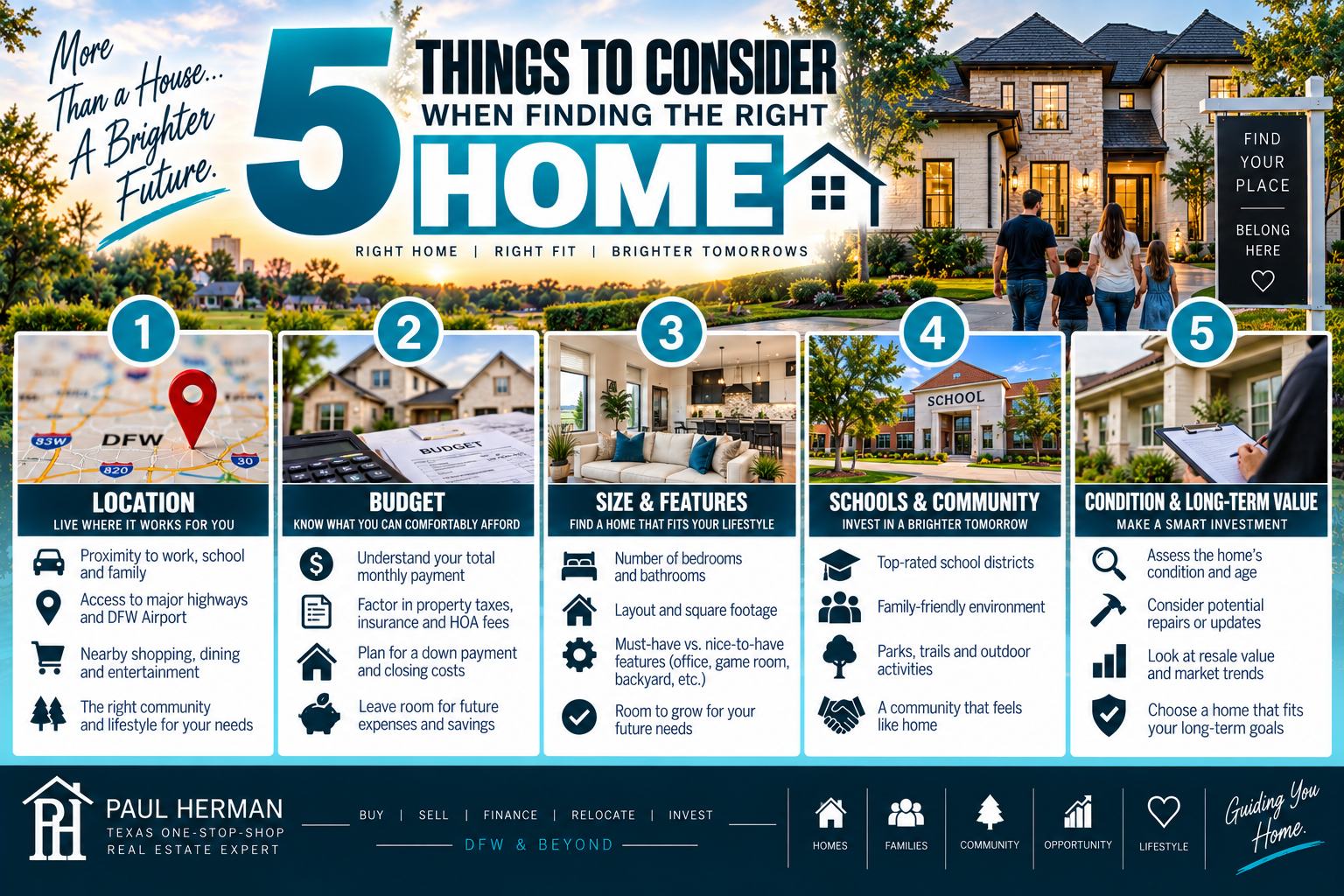
Moving to DFW? 5 Things to Consider When Finding the Right Place to Call Home
Moving to DFW? 5 Things to Consider When Finding the Right Place to Call Home
Moving to the Dallas-Fort Worth Metroplex can be exciting—but it can also feel overwhelming.
DFW isn't just one city. It's a massive Metroplex made up of Dallas, Fort Worth, Arlington, the Mid-Cities, and dozens of surrounding cities and communities, each offering something different.
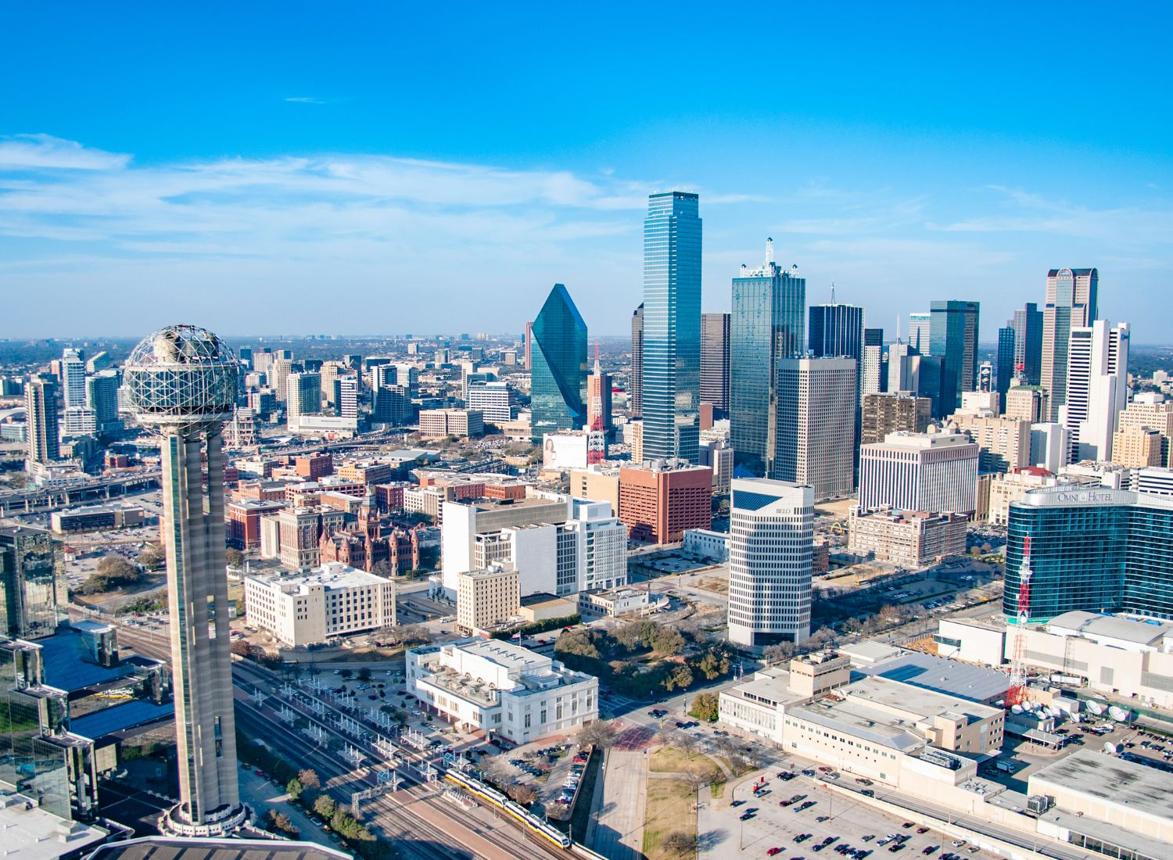
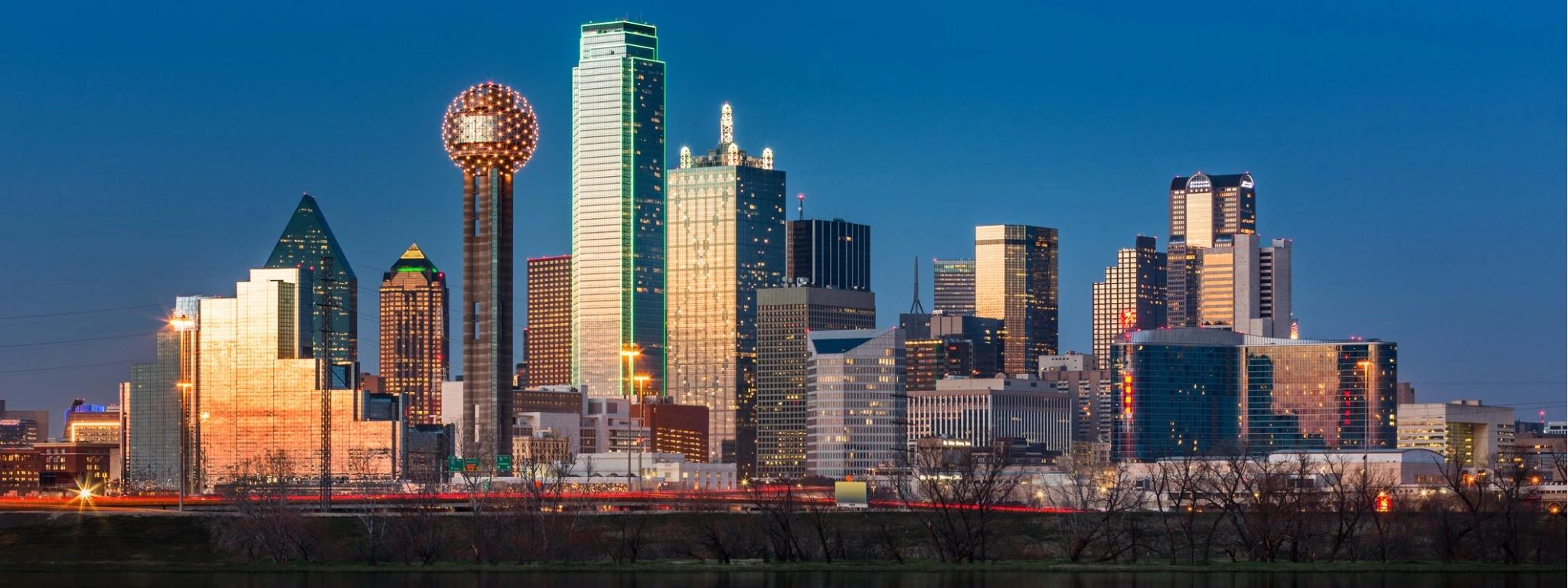
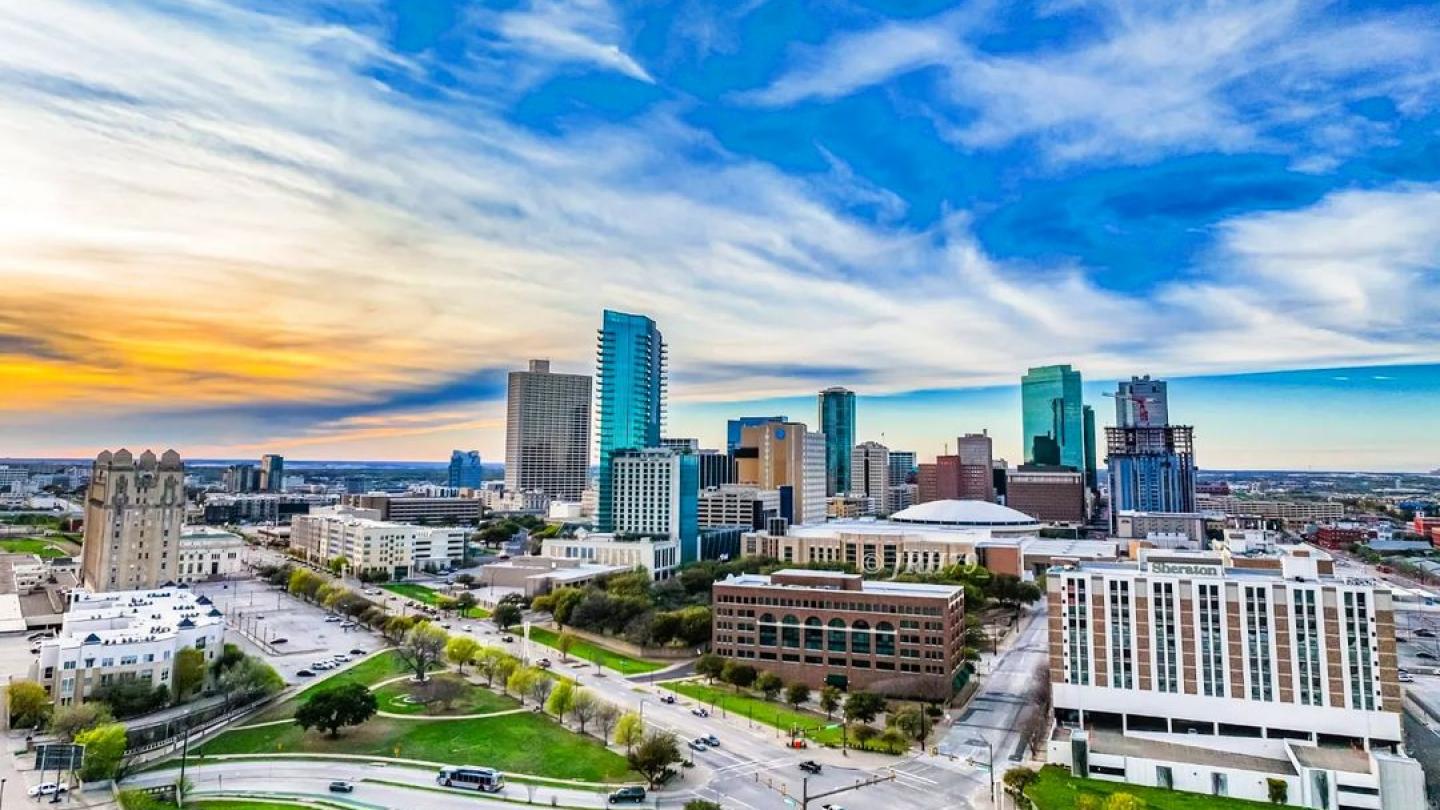
You can find urban living, established neighborhoods, master-planned communities, new construction, acreage, active-adult communities, and everything in between.
That's great because it gives you options.
But it also creates one of the biggest questions I hear from people relocating here:
"Where should I live in DFW?"
My answer is usually another question:
"What do you want your life in DFW to look like?"
Because finding the right home isn't only about bedrooms, bathrooms, and square footage. It's about finding the right combination of home, location, lifestyle, and financial comfort.
Here are the five most important things I believe you should consider when relocating to DFW.
1. Location: Understand How Big DFW Really Is
One of the first things someone relocating to North Texas needs to understand is just how spread out the Metroplex is.
You may hear someone say:
"I live in Dallas."
But they may actually live in a completely different city within the broader DFW area.
That's why I don't recommend choosing a community based solely on how close it appears to Dallas or Fort Worth on a map.
Instead, think about where you'll actually spend your time.
Consider:
- Where will you work?
- Does your job require travel throughout DFW?
- Will your spouse work in a different part of the Metroplex?
- How often will you visit Dallas or Fort Worth?
- Do you travel frequently?
- How important is airport access?
- Where are the activities you enjoy?
- How much driving are you comfortable doing?
DFW's highway network provides tremendous access, but traffic patterns and commute times can vary considerably depending on where and when you're traveling.
Don't just calculate miles. Think about your actual daily routine.
A home may look close to your office on a map, but your real-world commute could tell a different story.
2. Choose the Lifestyle First — Then Find the Community
One of the great things about DFW is that you don't have to choose one type of lifestyle.
You have options.
You might want:
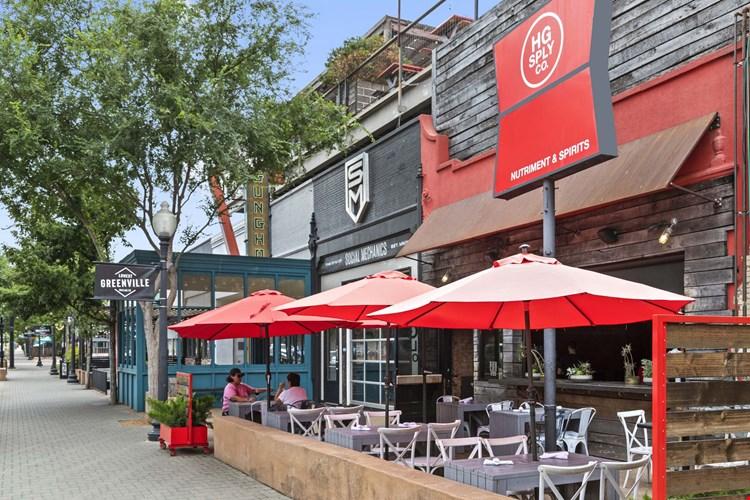
Urban living with restaurants and entertainment nearby.
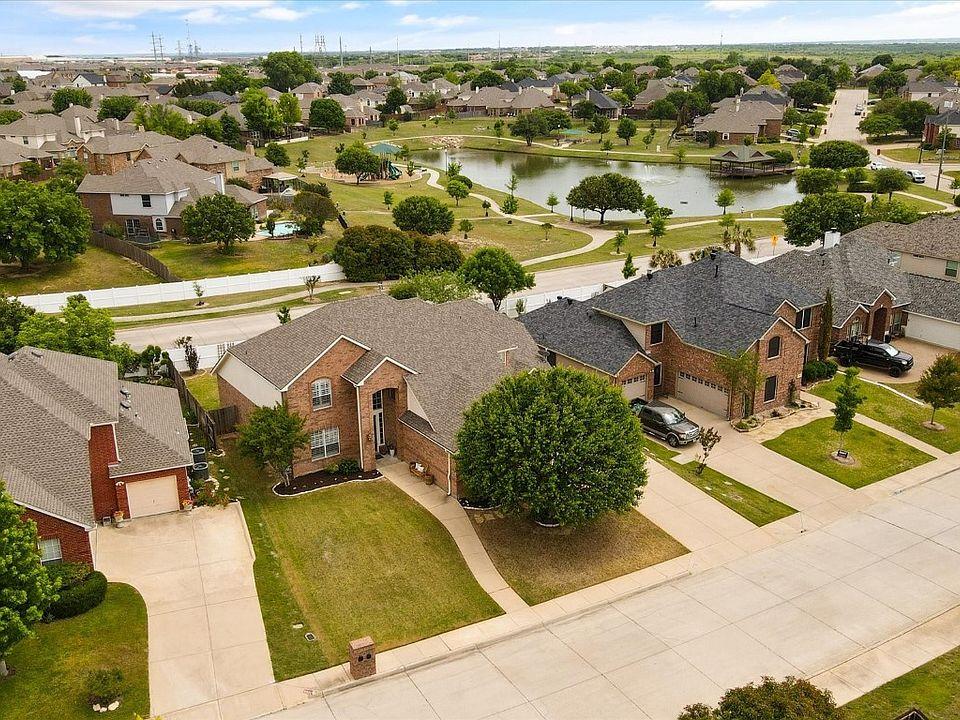
Traditional suburban living with established neighborhoods and larger yards.
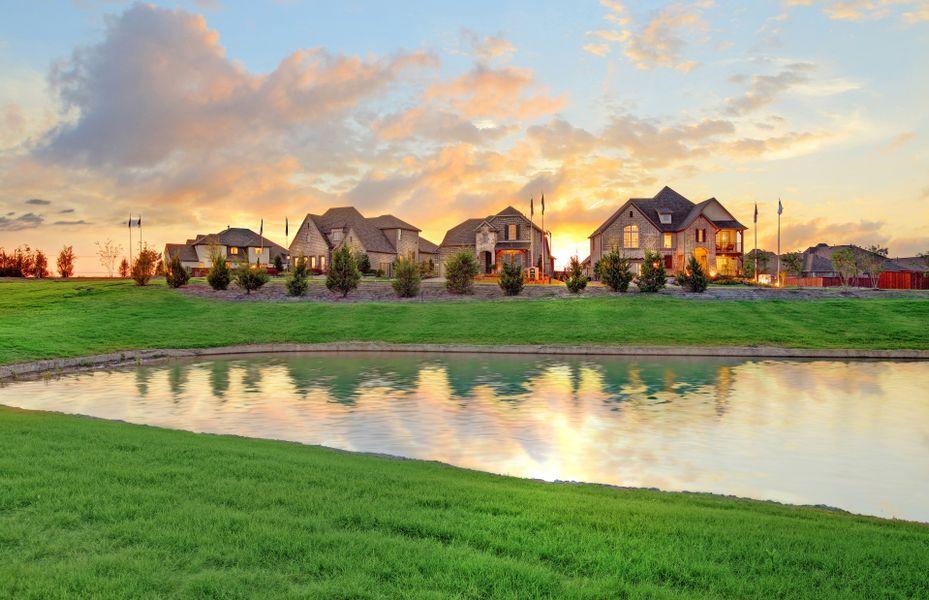
A master-planned community with pools, trails, parks, lakes, pickleball, and organized activities.
New construction with newer homes and growing amenities.
More land and privacy farther from the urban core.
Or perhaps a 55+ active-adult community designed around amenities and social activities.
Before I start recommending cities to someone relocating here, I want to understand what they enjoy doing.
Do you want to walk to restaurants?
Do you want trails?
Do you play golf?
Pickleball?
Do you want a large backyard?
Would you rather have community amenities than maintain your own pool?
Do you want newer construction?
Do you want to be close to professional sports and entertainment?
Don't simply find a house you like.
Find an area where you actually want to live your life.
3. Understand the TRUE Monthly Cost of Owning a Home in Texas
This is one of the most important conversations I have with buyers relocating from another state.
A $500,000 home in Texas may have a very different monthly cost than a $500,000 home somewhere else.
Why?
Because the sales price is only one part of the equation.
Your monthly housing expense may include:
- Mortgage principal and interest
- Property taxes
- Homeowners insurance
- Mortgage insurance, when applicable
- HOA dues
- Other community or district-related assessments, where applicable
- Utilities
- Maintenance
Texas does not impose an individual state income tax, but property taxes are locally assessed and can vary substantially by property and taxing jurisdiction.
Insurance costs can also vary depending on the home, roof, location, coverage, claims history and other underwriting factors.
This is why I don't want my buyers shopping based solely on sales price.
Let's say two houses both cost $500,000.
One may have significantly different property taxes, insurance costs, HOA expenses, or future maintenance requirements than the other.
Those differences matter.
My goal is to help you understand:
"What will it actually cost me to own this home every month?"
Not simply:
"Can I qualify for the mortgage?"
4. Think About Your Future — Not Just Your Current Job
This is especially important for people relocating to DFW for employment.
Maybe you're moving here because your new office is in Dallas.
Naturally, you begin looking for a house close to work.
That makes sense.
But I also encourage buyers to think further ahead.
What happens if your job changes?
Maybe three years from now you receive an opportunity in Fort Worth.
Or Las Colinas.
Or near DFW Airport.
Or another major employment area.
If you chose your home entirely around one office, your location may suddenly become much less convenient.
That's one reason a more centrally positioned DFW community can be worth considering for some buyers.
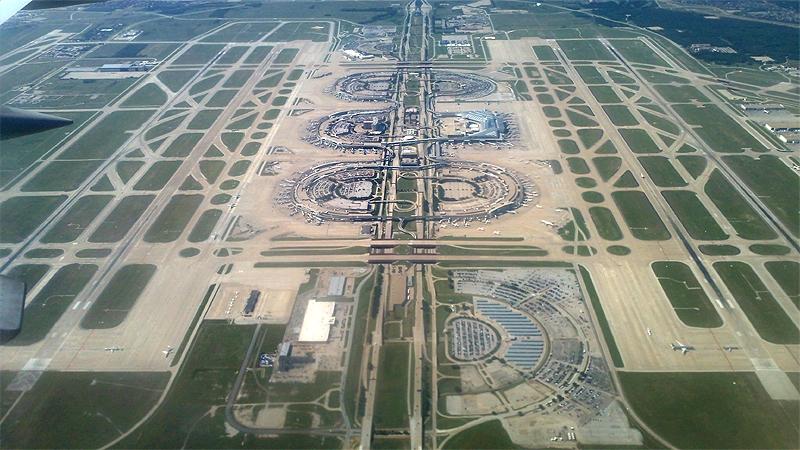
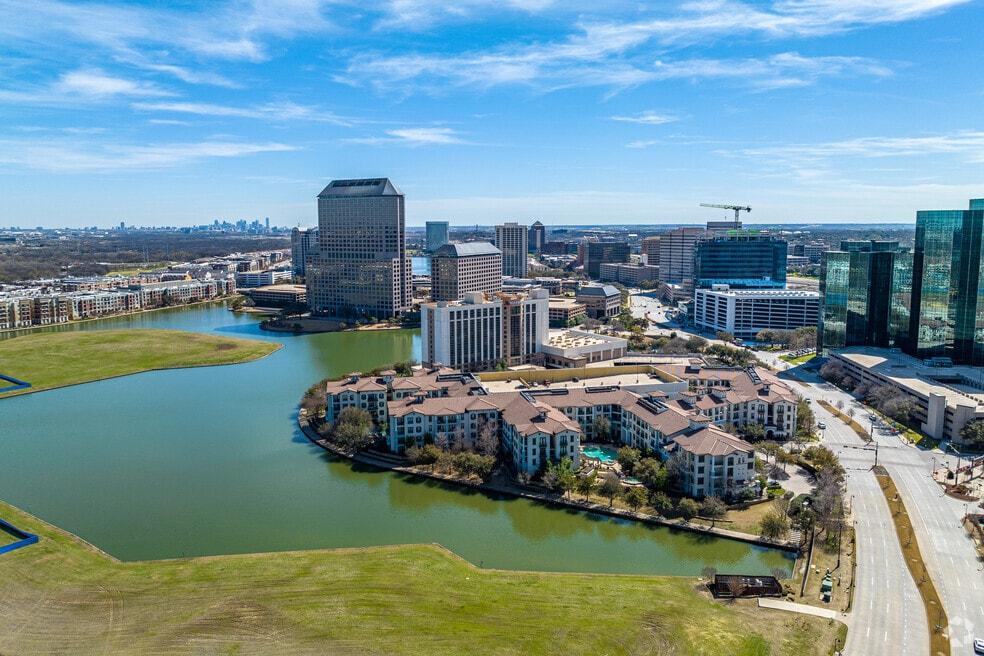
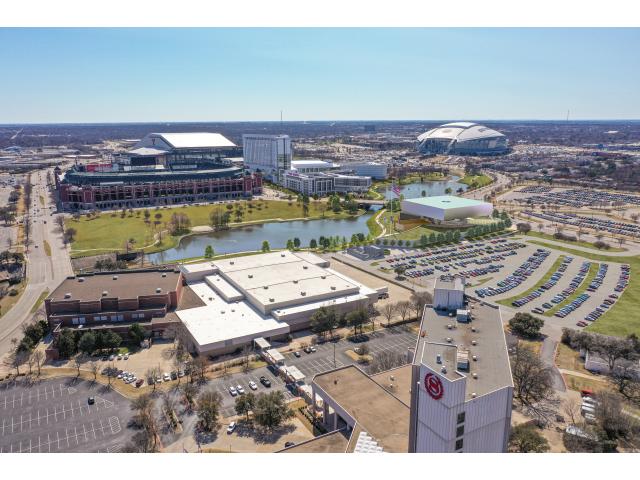
Depending on where you live, central DFW can provide access toward Dallas, Fort Worth, Arlington, Irving/Las Colinas, the Mid-Cities, and Dallas Fort Worth International Airport.
That can be particularly valuable for two-income households where each person works in a different direction.
Your first job in DFW doesn't necessarily need to dictate where you live for the next 10 years.
Think about flexibility.
Think about your family.
Think about your career.
And think about where your life may be heading.
5. Work With Someone Who Can Help You Understand DFW — Not Just Find a House
When you're moving somewhere new, you don't know what you don't know.
You can spend hours online researching:
"Best places to live in DFW."
And you'll find dozens of lists.
But there's a problem.
The "best" city doesn't exist.
There's only the community that's the best fit for you.
One person might love living close to downtown Dallas.
Another may want Fort Worth.
Someone else might prefer Arlington because of its central location.
Another buyer may want a master-planned community.
Someone may prioritize proximity to DFW Airport.
Another buyer may prefer newer communities farther north.
That's why relocation should start with a consultation—not a list of houses.
Before searching, I want to understand:
- Your budget
- Comfortable monthly payment
- Workplace
- Commute tolerance
- Family needs
- Desired home style
- New vs. existing construction
- Amenities
- Lifestyle
- Travel habits
- Long-term plans
Then we can begin narrowing down the Metroplex.
Instead of searching 30 cities, let's identify the 3–5 areas that make the most sense for you.
That's when the process becomes much easier.
BONUS: Visit the Communities Before You Decide
If possible, I strongly encourage relocation buyers to spend some time exploring different parts of DFW before making their final decision.
Don't just tour houses.
Tour the lifestyle.
Drive the neighborhood in the morning.
Drive it again in the evening.
Try the commute.
Visit the grocery store.
Go to a restaurant nearby.
Walk through the parks.
Explore the amenities.
See how long it takes to reach the airport.
Drive to the places you'll actually use.
A house can look perfect online.
But you aren't simply purchasing four walls.
You're purchasing where you'll wake up every morning and where your daily life will happen.
How I Help Buyers Narrow Down DFW
When someone tells me they're relocating to DFW, I don't want our first conversation to start with:
"What houses do you want to see?"
I want to start with:
"Tell me about you."
Where will you work?
What do you enjoy doing?
What type of neighborhood do you want?
How important is your commute?
How often do you fly?
What monthly payment feels comfortable?
What does your family need?
What would make you excited to call an area home?
Then we build the roadmap.
Related Reading


Our mission is to provide exceptional customer service to our clients by taking the time to understand their unique needs and goals.

