

New Construction vs. Resale Homes in DFW: 5 Things Every Homebuyer Should Consider
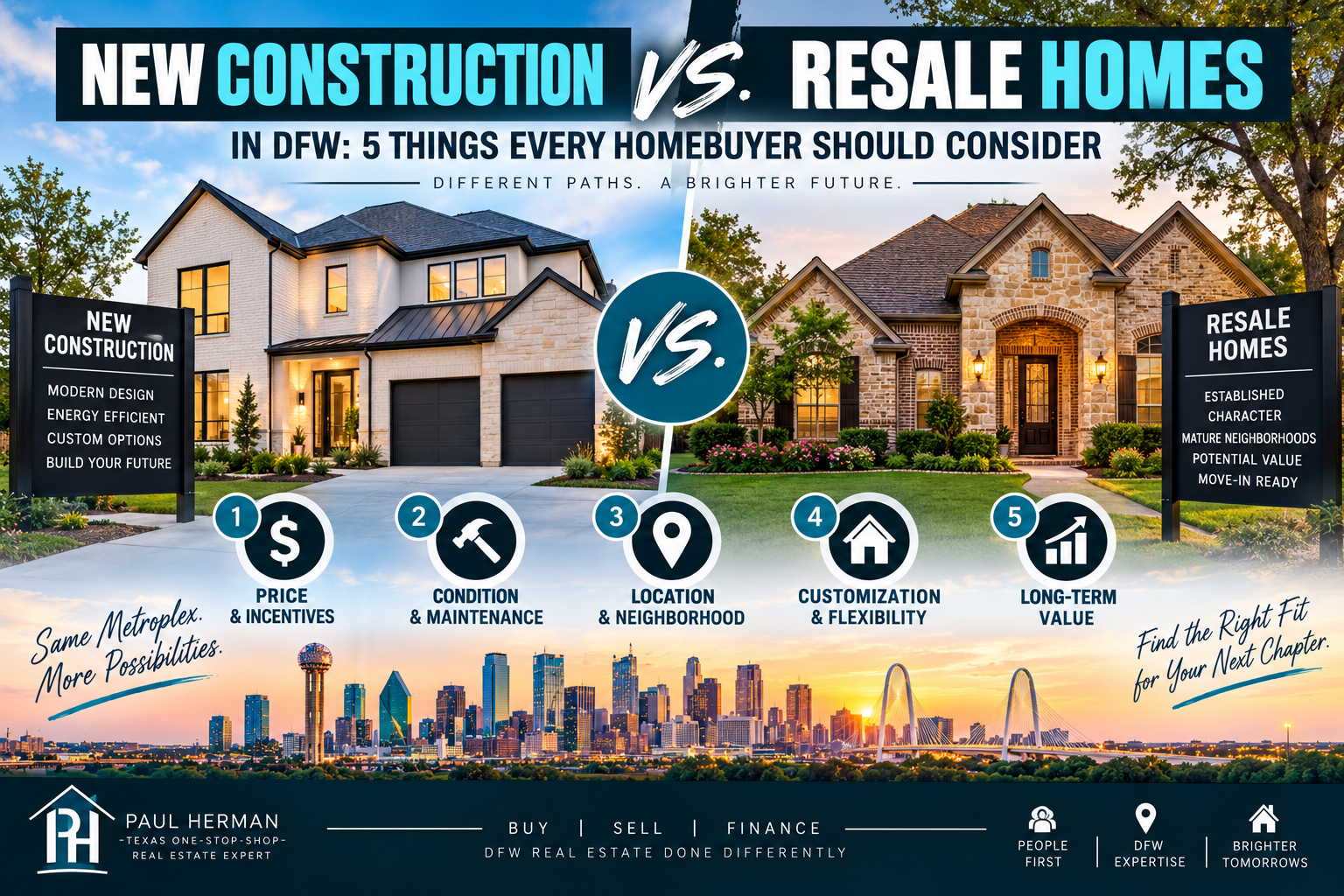
New Construction vs. Resale Homes in DFW: 5 Things Every Homebuyer Should Consider
One of the biggest decisions buyers face when purchasing a home in the Dallas-Fort Worth Metroplex is whether to buy a brand-new construction home or an existing resale home.
And here's the thing:
Neither option is automatically better.
I've seen situations where new construction was clearly the better opportunity for a buyer—and others where a resale home made much more sense.
The right decision depends on your budget, monthly payment, timeline, preferred location, lifestyle, and long-term goals.
DFW gives buyers plenty of opportunities to consider both. New-home construction remains a significant part of the North Texas housing market, while established communities offer everything from recently built homes to properties with decades of history.
So instead of asking:
"Is new construction better than resale?"
I encourage buyers to ask:
"Which option gives ME the best overall combination of home, location, monthly cost, lifestyle, and long-term value?"
Here are the five biggest factors I believe every DFW homebuyer should consider.
1. Price Isn't Everything — Compare the TOTAL Cost
This is where I want buyers to be careful.
You might find:
New Construction: $500,000
and
Resale Home: $475,000
At first glance, the resale home appears less expensive.
But that doesn't necessarily tell us which is the better financial opportunity.
A builder may offer incentives such as:
- Closing-cost assistance
- Interest-rate incentives
- Temporary or permanent rate buydowns
- Design-center credits
- Appliance packages
- Price reductions
- Other financing incentives
Those incentives can sometimes make a new home surprisingly competitive from a monthly-payment perspective.
But we need to look at the other side too.
A new-construction community may potentially have different:
- Property-tax rates
- HOA dues
- PID or MUD assessments, depending on the community
- Landscaping expenses
- Window-covering costs
- Appliance costs
- Fencing or other improvements
- Future construction around the property
Meanwhile, a resale home may already include blinds, landscaping, fencing, appliances, mature trees, and other improvements the previous owner paid for.
Don't just ask:
"Which house has the lower price?"
Ask:
"What will each home actually cost me to buy AND own?"
That's a much better comparison.
2. Location and Lifestyle May Be More Important Than the House
You can build a beautiful new house.
But you can't build a new location.
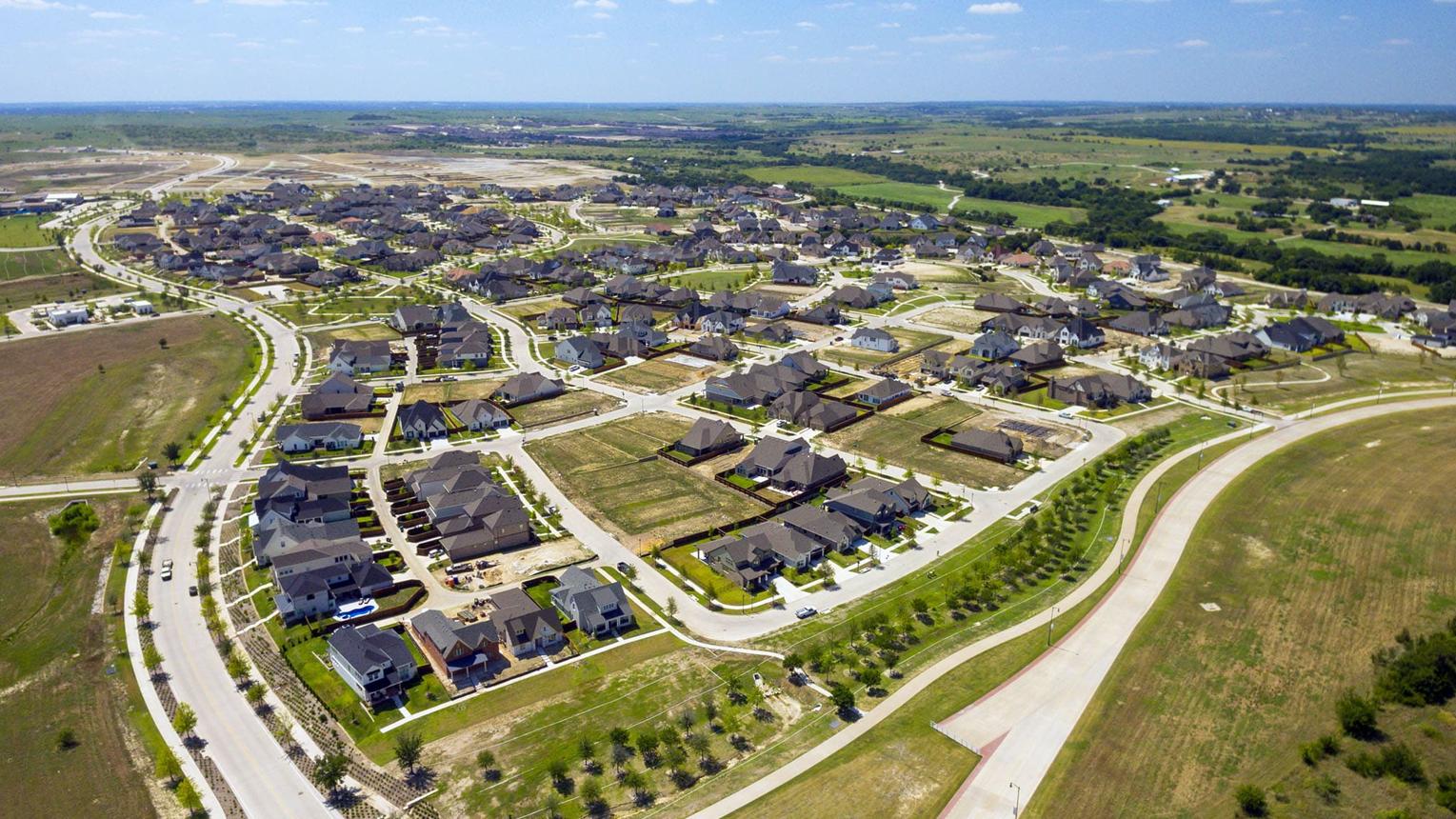
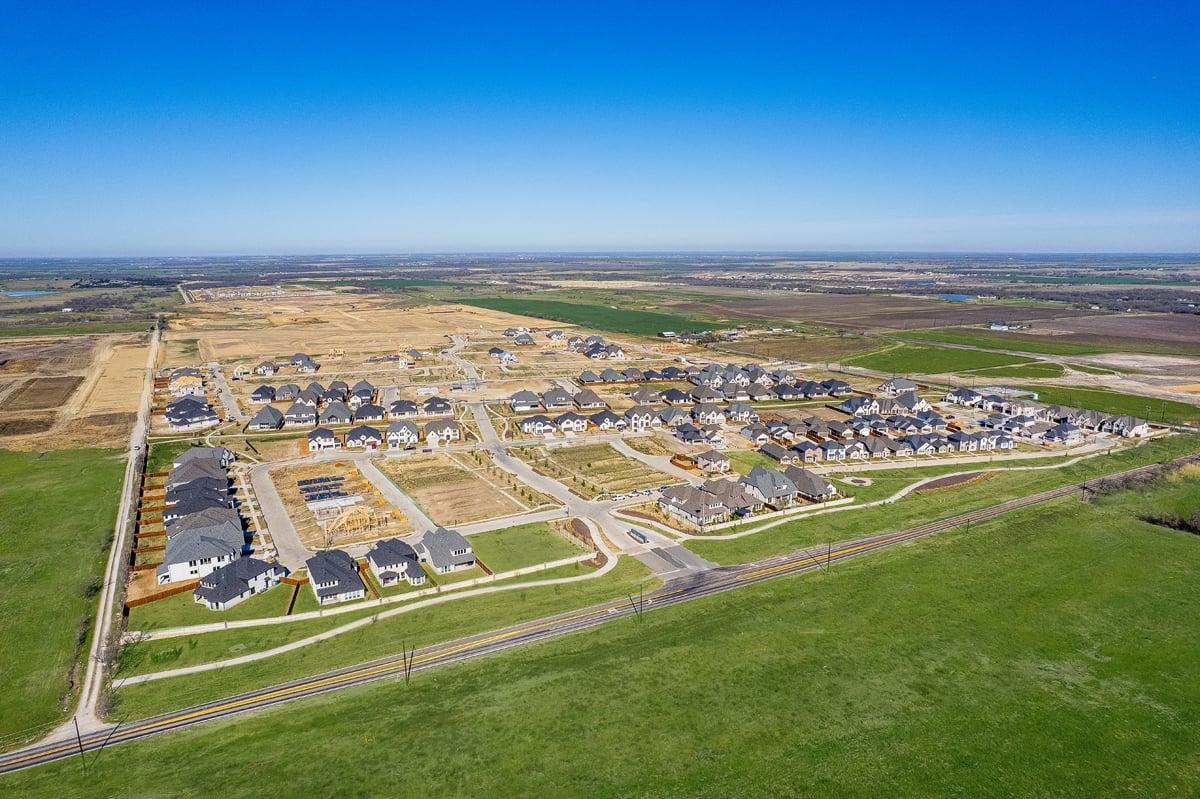
Many new-construction communities in DFW are located in areas where significant development is still occurring.
That can give buyers access to:
- Newer schools and infrastructure in some areas
- Master-planned amenities
- Community pools
- Trails
- Parks
- Pickleball courts
- New retail and restaurants
- Newer roads and development
But depending on the community, it may also put you farther away from established employment centers, entertainment, family, or DFW Airport.
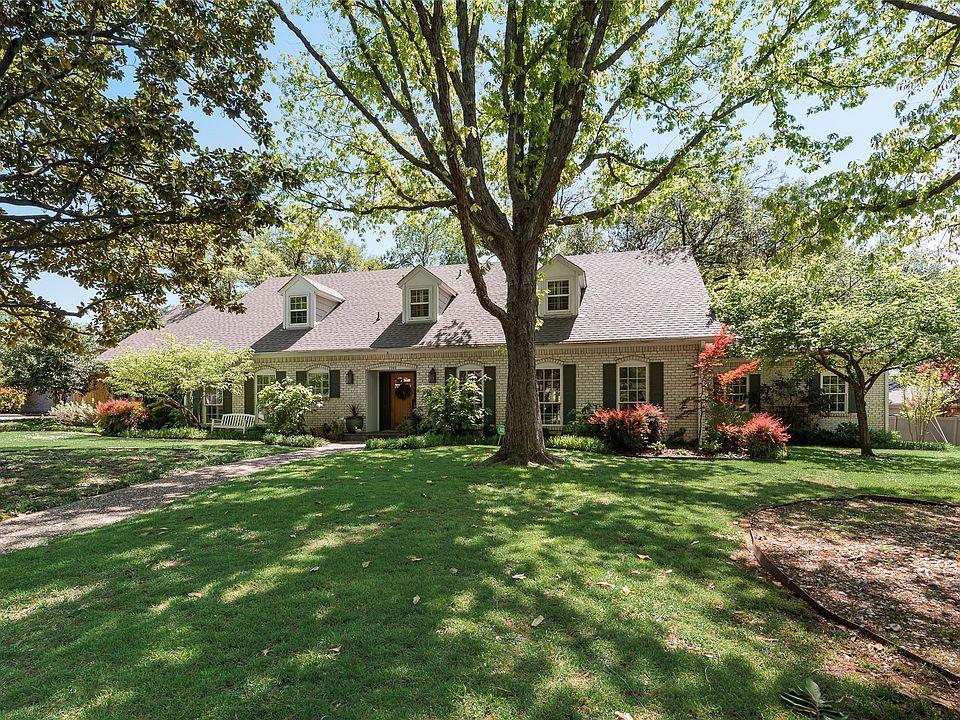
Resale homes can provide access to more established neighborhoods where the surrounding infrastructure, restaurants, shopping, parks, and community character are already developed.
Some may also offer:
- Larger lots
- Mature trees
- Established landscaping
- More central DFW locations
- Established neighborhood character
- Shorter commutes
This is why I tell buyers:
Don't fall in love with the house before you evaluate the location.
That beautiful new construction home may look amazing.
But if you're adding significant time to your commute every day, will you still love it three years from now?
3. New Doesn't Mean You Should Skip the Inspection
This is one of the biggest misconceptions I hear:
"It's a brand-new house. Why would I need an inspection?"
Because new homes are still built by people.
And mistakes can happen.
A new-construction inspection may identify issues involving:
- Electrical
- Plumbing
- HVAC
- Roofing
- Drainage
- Insulation
- Windows
- Appliances
- Grading
- Cosmetic workmanship
- Other construction items
Depending on the stage of construction, buyers may also want to discuss whether inspections at different phases make sense, such as a pre-drywall inspection before walls conceal certain components.
And before closing, a final independent inspection can provide another opportunity to evaluate the completed property.
Builder walkthrough ≠ independent home inspection.
The builder's representative works for the builder.
Your independent inspector is evaluating the property for you.
Resale homes obviously need proper due diligence as well, particularly when evaluating major components such as the roof, HVAC, foundation, plumbing, electrical systems, drainage, and previous repairs.
Whether the home is 30 years old or 30 days old:
Understand what you're buying.
4. Compare Builder Incentives With Resale Negotiating Opportunities
This is where the decision can become really interesting.
Builders and individual homeowners may negotiate very differently.
With New Construction
A builder may be more willing to offer financing or closing-cost incentives than make a dramatic reduction to the advertised price.
Why?
Because builders are often selling multiple similar homes within the same community, so maintaining comparable sales can matter to them.
They may instead offer value through financing incentives or other concessions.
But there's something extremely important buyers need to understand:
The builder's sales representative represents the builder—not you.
The sales representative may be extremely helpful and professional, but their responsibility is to the builder.
As a buyer, you can still have your own real estate representation helping you evaluate the contract, incentives, financing, inspections, timeline, and overall transaction.
And ideally, you want that representation involved before your first builder visit or registration, because builder policies regarding buyer representation can vary.
With Resale Homes
The negotiation may involve different opportunities:
- Purchase price
- Seller concessions
- Repairs
- Closing date
- Possession
- Personal property
- Other contract terms
Depending on current market conditions and the seller's situation, a resale property could provide an opportunity that isn't immediately obvious from the list price.
That's why I don't want buyers comparing only:
Builder price vs. resale list price.
I want to compare:
Final price + financing + concessions + taxes + insurance + repairs + monthly payment + cash to close.
Now we're comparing the actual opportunities.
5. Think About Maintenance, Customization and Long-Term Resale
This final category is really about what happens after you buy the house.
New Construction
One of the biggest attractions is obvious:
Everything is new.
You may have:
- New roof
- New HVAC
- New plumbing
- New electrical
- New appliances
- Modern energy-efficiency features
- Current design trends
- Builder warranties
That can potentially mean fewer immediate major repairs.
If you're building from an earlier stage, you may also have opportunities to select certain finishes or upgrades.
But don't assume every upgrade will return dollar-for-dollar when you eventually sell.
That $20,000 design-center upgrade may be worth it because you love it, but that doesn't necessarily mean a future buyer will pay $20,000 more for the home.
Resale Homes
A resale property may require more maintenance depending on its age and condition.
But it may also come with valuable improvements already completed by the previous owner.
Maybe they already paid for:
- Upgraded flooring
- Remodeled kitchen
- New roof
- New HVAC
- Outdoor living space
- Pool
- Landscaping
- Plantation shutters
- Fencing
- Garage improvements
You may be able to purchase those improvements for considerably less than it would cost to recreate them yourself.
And Then There's Future Resale
When I'm helping someone buy a home, I'm also thinking about the day they eventually sell it.
Questions worth considering include:
How desirable is the location?
What will the neighborhood look like when I'm ready to sell?
How many similar homes could I be competing against?
Will the builder still be selling new homes nearby?
Is the floor plan broadly appealing?
How does the lot compare with others?
What characteristics make this particular property stand out?
A home isn't only where you're going to live.
It's also a major financial asset.
New Construction vs. Resale: A Simple Comparison
- Condition — New construction: everything starts new. Resale: depends on age and maintenance.
- Customization — New construction: potential selections and upgrades. Resale: remodel after purchase.
- Builder / seller incentives — New construction: financing and closing incentives may be available. Resale: seller concessions may be negotiable.
- Location — New construction: often in growing or developing areas. Resale: more established locations available.
- Maintenance — New construction: typically fewer immediate major replacements. Resale: major systems may be older.
- Landscaping — New construction: often newer and less mature. Resale: may have established landscaping.
- Amenities — New construction: new master-planned amenities may be available. Resale: varies by neighborhood.
- Timeline — New construction: could be immediate or months away. Resale: usually more predictable once under contract.
- Inspections — New construction: still highly recommended. Resale: highly recommended.
- Future competition — New construction: may compete with builder inventory. Resale: depends on neighborhood inventory.
Neither column automatically wins.
The right answer depends on YOU.
BONUS: Don't Automatically Use the Builder's Financing Without Comparing
Builder financing incentives can sometimes be extremely attractive.
And there are absolutely situations where using the builder's preferred lender may make financial sense.
But I still want buyers to understand the complete offer.
Ask:
What's the interest rate?
What's the APR?
Are discount points involved?
What are the lender fees?
How much are the closing-cost incentives?
Is the rate permanently bought down or temporary?
What is my total cash to close?
What will my actual monthly payment be?
Then compare it with your alternatives.
A big incentive doesn't automatically mean the lowest overall cost.
The goal isn't to choose financing based on the biggest advertised number.
It's to determine which financing structure makes the most sense for your situation.
So Which Would I Choose: New Construction or Resale?
If you're expecting me to say one is better, I won't.
Because that wouldn't be good advice.
I've seen new construction opportunities where the builder incentives, financing, amenities, warranty, and overall value made tremendous sense.
I've also seen resale homes where the location, lot, upgrades, lower overall costs, established neighborhood, and negotiating opportunity made them clearly more attractive.
My job isn't to sell you on new construction.
And my job isn't to talk you into resale.
My job is to put both options in front of you and help you understand the differences.
Then you make an educated decision.
How My Texas One-Stop-Shop Approach Helps
This is one area where I believe looking at the transaction from multiple perspectives can be particularly valuable.
Because I'm not only thinking about:
The house.
I'm thinking about:
Real Estate + Financing + Insurance + Taxes + Monthly Payment + Inspections + Long-Term Ownership
My experience across real estate, mortgage financing, and insurance allows me to help buyers ask questions that can sometimes be missed when each part of the transaction is viewed separately.
A lower interest rate sounds great.
But what are the fees?
A cheaper house sounds great.
But what are the taxes and insurance?
A brand-new house sounds great.
But what will the location and commute look like?
A resale home looks like a bargain.
But how old are the roof and HVAC?
That's why we look at the entire picture.
Related Reading


Our mission is to provide exceptional customer service to our clients by taking the time to understand their unique needs and goals.

